Smile Makeover
How to Get Turkey Teeth in İstanbul?
Achieve Your Dream Smile with Affordable Dental Care in Turkey
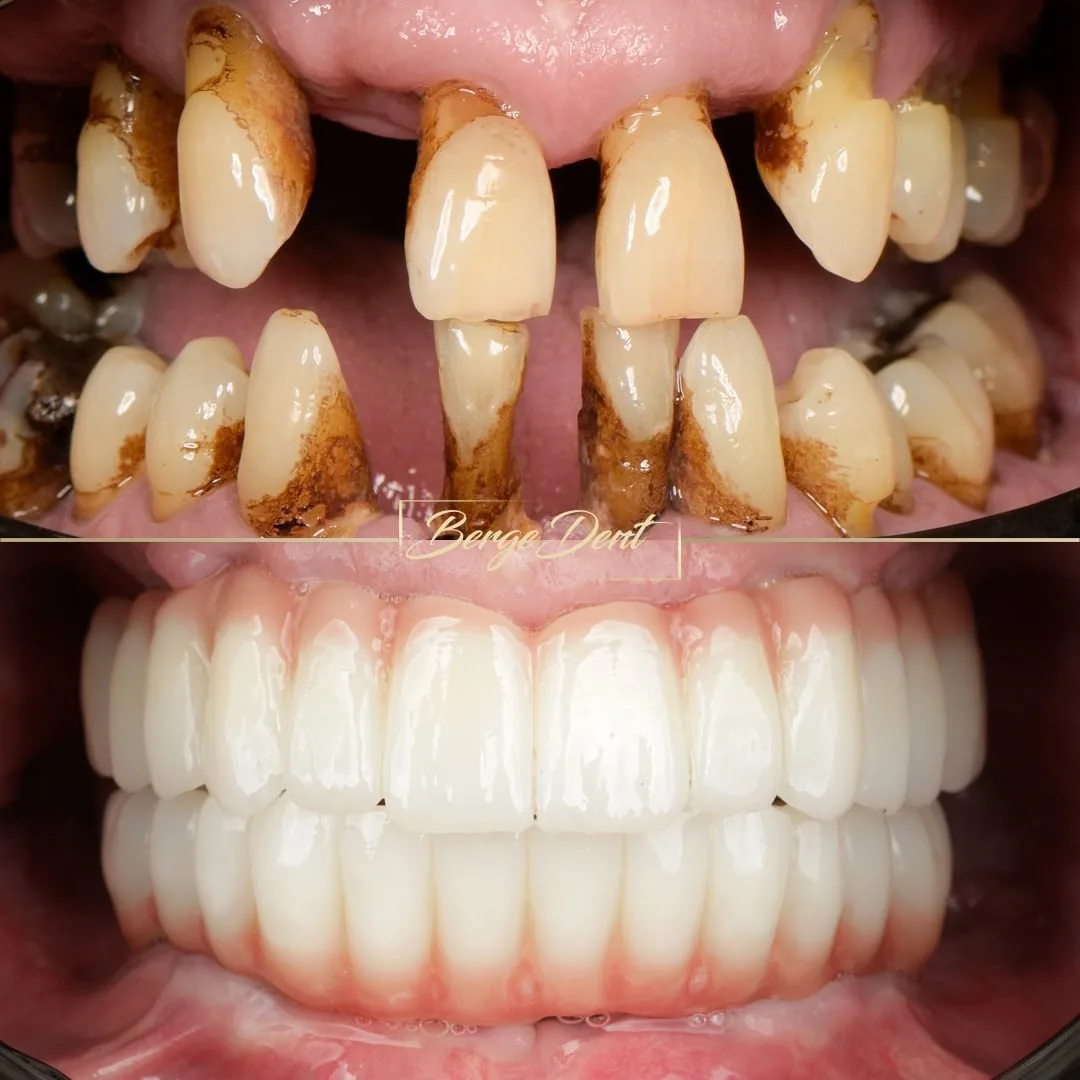
“Turkey teeth” is a tabloid nickname for veneers and crowns fitted in Turkey. The term picked up a poor reputation after some clinics filed healthy teeth down to small pegs chasing a bright, uniform look. At Bergedent we take the opposite view: a conservative, enamel-preserving plan with honest expectations from day one.
In short
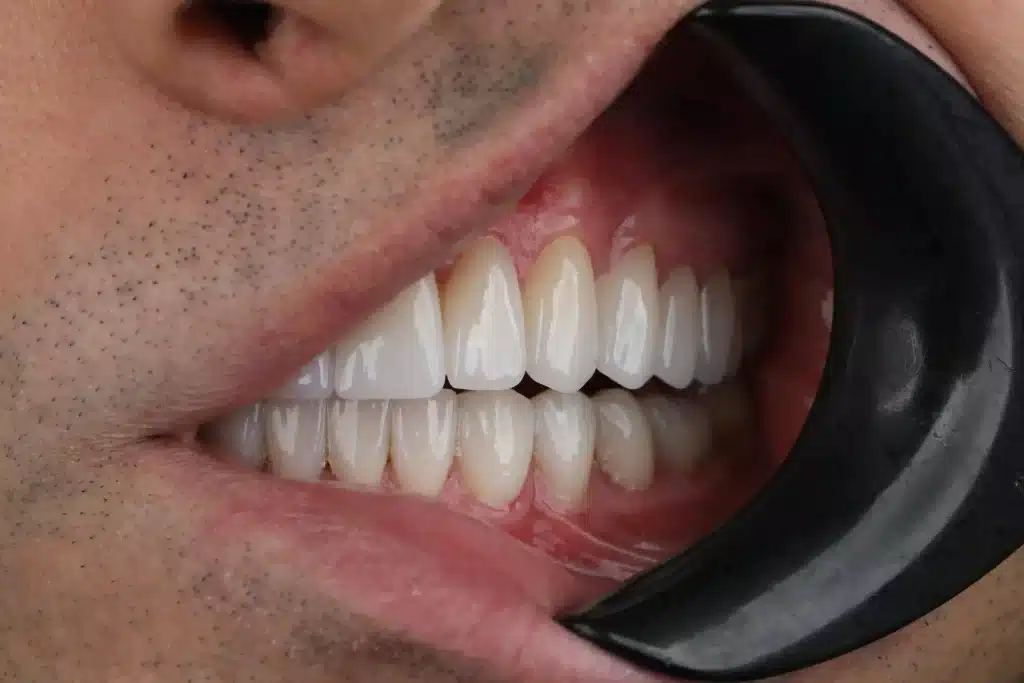
“Turkey teeth” refers to veneers or crowns fitted in Turkey. The term earned a poor reputation when clinics aggressively filed down healthy teeth for an unnaturally white, bulky look. Done conservatively — preserving enamel, using certified materials and backed by proper aftercare — veneers and crowns are a legitimate, well-evidenced cosmetic treatment.
Written by
MSc Dt. Nebil SezerMedically reviewed by
MSc Dt. Tunç BergeLast reviewed: 24 June 2026
Our editorial & review policy →The honest picture
What “Turkey Teeth” Really Means — and Why It Got a Bad Name
“Turkey teeth” is a UK tabloid term, not a clinical one. It describes the very white, very uniform smiles some people return with after dental work abroad. The reputation problem is real — and it’s worth understanding before you book anything.
In some cases, healthy teeth were ground down into small pegs to fit crowns, even when thinner veneers— or no treatment at all — would have been more appropriate. Removing that much tooth structure is irreversible. It can irritate or expose the inner pulp, leading to sensitivity, root canal treatment, or gum problems further down the line. As the NHS explains, fitting a crown means the tooth is “drilled down so it’s like a small peg,” whereas a veneer only requires the front of the tooth to be “drilled away a little.”
The other part of the stigma is aesthetic: shades far whiter than natural enamel, and identical oversized shapes that read as obviously artificial. A good result should suit your face, your age, and the teeth around it — not look like a matching set of ceramic tiles.
None of this means treatment in Turkey is inherently unsafe. It means the approach matters enormously. A conservative plan keeps as much natural enamel as possible, chooses veneers over crowns wherever clinically suitable, and is honest about trade-offs from the start.
Clinical detail
Tooth Preparation: Why Enamel Preservation Matters
Enamel is the hard outer layer of a tooth. It does not grow back. The amount removed during preparation is one of the strongest predictors of how long a restoration lasts — a 2021 systematic review of around 6,500 porcelain laminate veneers reported a roughly 95% 10-year survival rate, with bonding to enamel (rather than the softer dentin underneath) linked to better, more durable outcomes.
This is why we favour thin veneers over full crowns whenever the clinical situation allows. Ultra-thin E.max veneers often need only minimal facing reduction — in the region of 0.3mm — preserving most of the natural tooth. Crowns require far more reduction and are reserved for teeth that are heavily broken down, root-treated or structurally compromised: situations where a crown is genuinely the right call.
Before any irreversible preparation, we walk you through a digital smile design and a diagnostic mock-up so you can see the proposed shape and shade before we touch anything. The ADA notes that because enamel is removed, veneers are generally not reversible — which is precisely why the plan needs to be conservative from the start.
Before you decide
Candidacy, Risks & Aftercare
Who is a good candidate?
- Healthy gums and no active decay or gum disease
- Concerns such as discolouration, chips, minor gaps or worn edges
- Realistic expectations and willingness to maintain good oral hygiene
- Heavy grinders (bruxism) may need a nightguard or an alternative plan
Possible risks
- Temporary sensitivity to hot and cold after preparation
- Risk of pulp irritation or root canal treatment with heavier reduction
- Chipping, fracture or debonding over time
- Irreversibility — enamel removed cannot be restored
Aftercare
- Brush twice daily and floss; veneers still need maintenance
- Limit very hard foods and avoid using teeth as tools
- Wear a nightguard if you grind your teeth
- Keep regular check-ups — including a UK dentist for follow-up
The NHS treatment-abroad checklist recommends seeking a UK clinical opinion first and confirming who will handle aftercare or complications before you travel. We’re happy to share records so your local dentist can support your follow-up at home.
Why Choose Turkey
Why Turkey is a Top Choice for Dental Tourism
Turkey has become one of the most sought-after destinations for dental care, pairing experienced clinicians and modern facilities with costs that sit well below typical UK and US private fees.
Lower Cost
Most patients save substantially on veneers, crowns and implants compared with UK or US private fees.
Accredited Care
TEMOS-accredited clinic with modern diagnostic and treatment technology.
Experienced Team
Clinicians with decades of cosmetic and restorative dentistry behind them.
All-Inclusive
Packages can cover travel, accommodation and treatment in one arrangement.
Turkey Teeth Prices: Istanbul vs UK
A single porcelain veneer at Bergedent costs roughly £250–£350 versus £600–£1,200 at a UK private practice, and a full set of ten runs to about £2,500–£3,500 versus £6,000–£12,000. These are indicative guides; your exact quote depends on your clinical assessment.
| Treatment | Istanbul (Bergedent) | UK (private) |
|---|---|---|
| Porcelain veneer (per tooth) | £250–£350 (~$320–$450) | £600–£1,200 |
| Full set (10 veneers) | £2,500–£3,500 | £6,000–£12,000 |
| Zirconia crown (per tooth) | £300–£400 (~$385–$510) | £500–£1,000 |
Treatments
Popular Turkey Teeth Procedures
Dental Veneers
Custom porcelain or composite veneers crafted to improve colour, shape and proportion — while keeping your look natural.
Learn more →Dental Crowns
Full-coverage restorations for heavily broken-down or root-treated teeth, matched closely to the surrounding dentition.
Learn more →Hollywood Smile
A complete smile makeover drawing on veneers, whitening and alignment for a result that looks genuinely yours.
Learn more →Full Mouth Implants
Permanent implant solutions to replace missing teeth and restore both function and confidence.
Learn more →Teeth Whitening
Professional-grade whitening for a noticeably brighter result, safely supervised throughout.
Learn more →Smile Design
A tailored treatment plan built around your face, bite and goals — designed before a single tooth is touched.
Learn more →Important Information
Evaluating Dental Work in Turkey
Benefits
- ✓Meaningful cost savings on veneers, crowns and implants compared with UK private fees
- ✓Modern diagnostic technology and skilled clinicians under one roof
- ✓The chance to combine your treatment with time in Istanbul
- ✓Internationally accredited care with rigorous quality standards
Key Considerations
- →Check clinic accreditation (TEMOS, ISO) and your dentist’s qualifications before committing
- →Look at verified patient testimonials and honest before/after cases
- →Understand the full treatment plan — and who handles aftercare once you’re home
- →Make sure you’ve given properly informed consent and understand each step of the process
Before You Travel
Research Before Your Dental Procedure
Clinic Accreditation
Confirm TEMOS or ISO certification and that the clinic is regulated by the Turkish Dental Association.
Dentist Qualifications
Check the credentials, experience and specialist training of whoever will be treating you.
Patient Reviews
Read verified testimonials — and look for honest accounts of the full experience, not just the end result.
Treatment Details
Know the procedure, the materials being used, and the realistic risks before you agree to anything.
Why Bergedent
Trusted by Thousands of International Patients
Traditional Values & Modern Techniques
Turkish hospitality and cutting-edge dental technology sit side by side here — warmth and clinical precision together.
Comprehensive Services
Cosmetic dentistry, oral surgery, orthodontics and preventive care — everything under one roof, no referrals needed.
International Reputation
We see patients from across the globe, and our multilingual team makes sure nothing gets lost in translation.
Diplomatic Council Preferred
A recognition that reflects our standing in internationally trusted healthcare.
TEMOS Accredited
An internationally recognised standard for excellence in healthcare — held to the same criteria as leading European clinics.
Commitment to Excellence
From your first consultation through to follow-ups, every step is planned with care for your comfort and outcomes.
Sources & references
This page draws on independent clinical and regulatory sources. The figures on veneer survival and enamel preservation come from peer-reviewed evidence; the guidance on treatment abroad follows NHS advice.
- NHS — Dental treatments: covers how veneers and crowns are prepared, and when each is the right choice.
- NHS — Treatment abroad checklist: on seeking a UK opinion, assessing clinic standards and arranging follow-up care.
- ADA MouthHealthy — Veneers: veneer types, how much enamel is removed, and why veneers are generally not reversible.
- PubMed Central — Long-term survival of porcelain laminate veneers (systematic review, 2021): reports ~95.5% 10-year survival across ~6,500 veneers, with bonding to enamel linked to better durability.
Start Your Journey
Get Your Free Consultation Today
Send us your photos and we’ll put together a personalised treatment plan and indicative quote. We’ll walk you through conservative options, expected outcomes and any genuine trade-offs — usually within 24 hours.