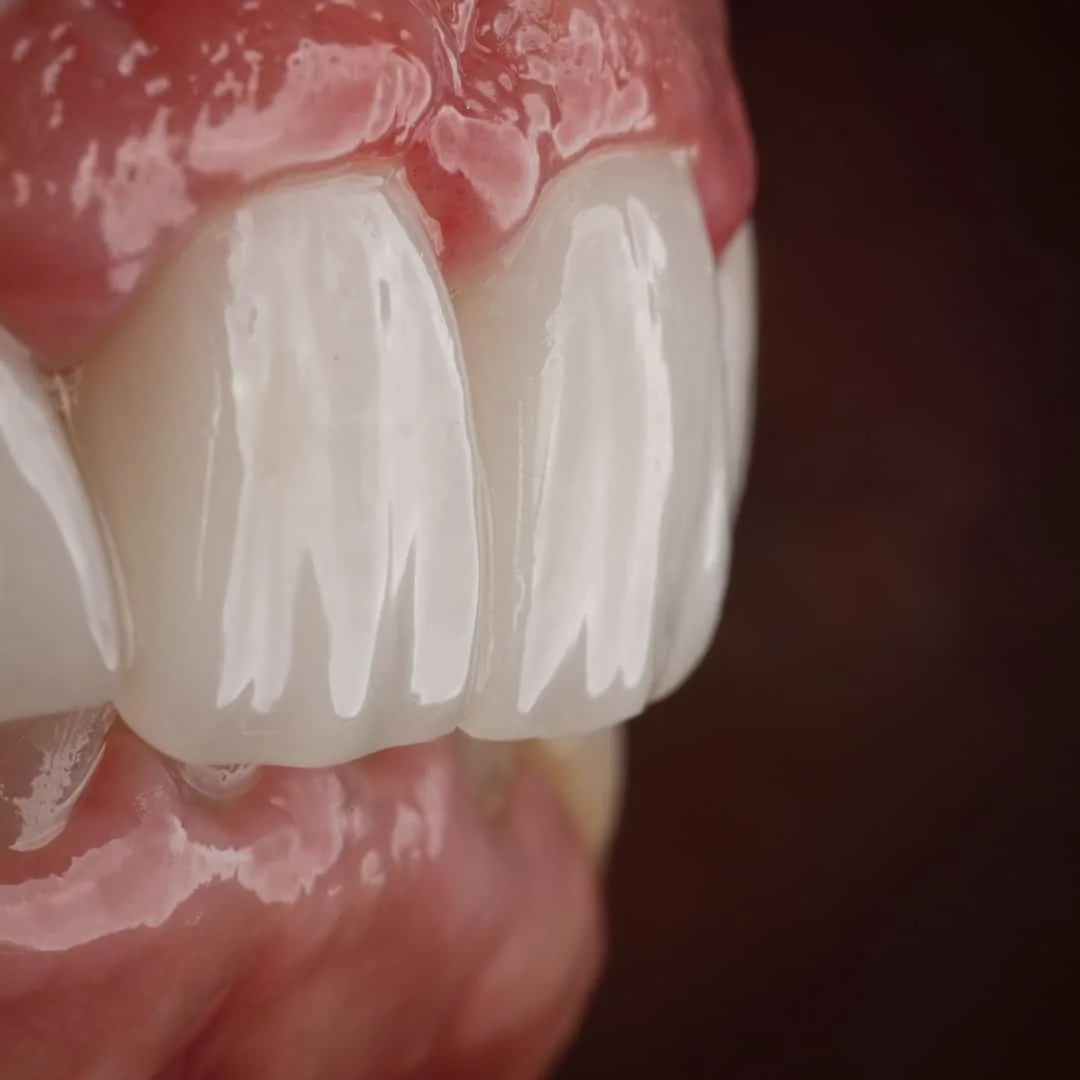

"Love Island teeth" is shorthand for the dramatically white, even smiles that contestants so often arrive with — almost always achieved through cosmetic dentistry such as porcelain veneers, zirconia crowns or professional whitening, and frequently carried out in Turkey because the cost is a fraction of UK private rates. It's a cosmetic choice, not a treatment unique to any one country. What actually determines the quality of the result is the clinic and the treatment planning, not the passport stamp.
Since its 2015 relaunch, Love Island has become one of the UK's most-watched reality programmes — and one of the biggest drivers of the conversation around cosmetic dentistry and dental tourism. Series after series, viewers notice contestants with noticeably transformed smiles, and the phrase "turkey teeth" entered mainstream British vocabulary largely through the show and its press coverage.
The Love Island smile phenomenon
By 2019–2020, "turkey teeth" had become shorthand for any dramatic dental transformation — particularly veneers or crowns placed abroad. The term carries mixed connotations. In some media coverage it describes overly white, overcorrected results; in reality it says far more about the patient's choice of clinic and treatment brief than about the country where the work was done. The same bright, uniform look can be created — or deliberately avoided — whether you're sitting in a chair in London or Istanbul.
What treatments are actually involved?
Porcelain veneers
Veneers are thin porcelain shells bonded to the front surface of existing teeth to correct colour, shape, minor alignment issues and small gaps. As the American Dental Association explains, they're a cosmetic option that involves removing a thin layer of enamel so the veneer can sit flush against the tooth. Ultra-thin E.max veneers need minimal preparation; conventional veneers require slightly more enamel removal for a reliable bond. Because enamel doesn't grow back, veneer preparation is generally considered irreversible — that's why the decision deserves careful thought.
Hollywood smile (full crowns)
The more dramatic transformations associated with the Love Island look often involve full-coverage zirconia crowns rather than veneers. Crowns cap the entire tooth and allow for larger changes in shape and shade. They're appropriate when teeth are heavily filled, worn or root-treated — but they do involve more tooth reduction than veneers, so crowning healthy teeth purely for cosmetic reasons is something we'd always discuss honestly with you first.
Professional whitening
Many contestants simply use professional whitening — in-clinic or custom take-home trays — to brighten natural teeth without any preparation. It's the least invasive option and suits people who already have good alignment but want a brighter shade. See our teeth whitening page for what whitening can and cannot do.
How well do veneers actually last?
Veneers are durable, but they're not permanent, and it's more honest to talk about survival rates than guarantees. A 2020 systematic review and meta-analysis of porcelain laminate veneers reported a 10-year cumulative survival rate of around 95.5%, with roughly 6.7% of veneers failing across the studies analysed. The most common complications were fracture and debonding, both more likely in the first years after placement; secondary decay and the need for root-canal treatment were less common. The review also found that material choice and design matter — non-feldspathic ceramics such as E.max performed better than older feldspathic porcelain.
| Overall survival | ~95.5% at 10 years |
|---|---|
| Fracture | Most common complication; ~96.3% free of fracture |
| Debonding | ~99.2% remained bonded |
| Secondary decay | ~99.3% unaffected |
These figures come from accredited clinical settings with proper case selection — a useful benchmark, not a promise for every patient. Individual outcomes depend on bite, oral hygiene, habits such as grinding, and follow-up care.
The "turkey teeth" debate: stigma vs reality
Media coverage has created a perception that dental work in Turkey is inherently risky. The reality is more nuanced. The problems reported in the UK press — veneers falling off, severe sensitivity, nerve damage — are generally caused by under-qualified providers, inadequate assessment and poor treatment planning, not by the country itself. The same complications occur in high-volume budget clinics anywhere, including the UK. The relevant variable is the clinic, not the location.
This is exactly why the NHS treatment-abroad checklist advises patients to research the provider's qualifications, confirm what materials are used, and plan for follow-up care before travelling. A well-accredited Istanbul clinic using European-certified materials and internationally trained dentists can deliver results comparable to UK private dentistry — at a much lower cost.
What separates a good outcome from a poor one
The difference between a natural-looking transformation and an overdone one comes down to three things: treatment planning, material choice and shade selection. At Bergedent, smile makeover cases begin with digital smile design — a software preview of the final result that the patient approves before any tooth preparation. Shade is chosen collaboratively, and we'll advise against shades that simply won't look natural for your complexion. Ultra-thin E.max veneers with minimal preparation are our preference for natural results; where a bolder, higher-contrast look is what you're after, we use zirconia — and the outcome is reviewed at the temporary stage before final placement.
Not everyone is a candidate. Active gum disease, untreated decay, significant bite problems or heavy grinding usually need to be addressed first, and a thorough assessment should rule these out before any cosmetic work begins.
Beyond reality TV: the 2024–2026 trend
The audience for dental treatment in Turkey has broadened well beyond reality TV viewers. UK professionals in their 20s and 30s — nurses, teachers, marketing managers — increasingly choose Istanbul for smile makeovers, citing cost savings of 60–80% versus UK private rates. As the NHS notes, cosmetic dentistry isn't available on the NHS, so UK patients pay privately. At London rates, a ten-tooth makeover can easily reach £8,000–12,000.
At Bergedent, E.max veneers are priced indicatively from around £250–280 per tooth, and a 10-veneer Hollywood smile starts from about £2,500 — typically completed over 5–7 days including consultation, temporaries and final placement. Compare options on our Turkey teeth guide or see the price list for current indicative pricing.
Thinking about a smile makeover? Book a free consultation and share photos for a clinical assessment before you commit to anything.
This article is for general information and is not a substitute for an in-person dental examination. Please read our medical disclaimer.