
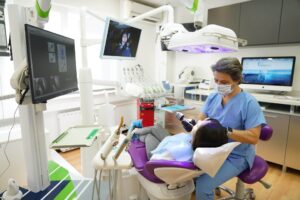

Oral surgery is a specialized branch of dentistry that deals with the diagnosis, treatment, and prevention of conditions affecting the mouth, teeth, gums, and jaws. While many oral surgery procedures are routine and straightforward, some cases require advanced techniques and expertise. In this article, we’ll explore what advanced oral surgery entails and what you need to know if you’re facing a complex dental issue.
Advanced oral surgery refers to complex procedures that go beyond routine dental care. These may include:
Dental implants: These are artificial tooth roots that are surgically implanted into the jawbone to replace missing teeth. Implant surgery can be more complicated in cases where there is not enough bone to support the implant or if there are complications such as infection or nerve damage.
Orthognathic surgery: This is a corrective jaw surgery that is performed to correct misaligned jaws or facial deformities. The procedure may involve reshaping the jawbone, moving the teeth, or both.
Bone grafting: This is a procedure in which bone tissue is transplanted from one part of the body to another to restore bone loss or to prepare for dental implants. It may be necessary when the jawbone has deteriorated due to injury, disease, or tooth loss.
Maxillofacial trauma surgery: This is a type of surgery that addresses injuries to the face, mouth, and jaw. It may be necessary after a car accident, sports injury, or other trauma.
Treatment of oral cancer: Oral cancer can affect the lips, tongue, mouth, and throat. Treatment may involve surgical removal of the cancerous tissue, along with radiation or chemotherapy.
Advanced oral surgery can be more complex and invasive than routine dental procedures, and it typically requires more preparation and recovery time. You may need to undergo imaging tests, such as X-rays or CT scans, to help your dentist or oral surgeon plan the procedure.
During the surgery, you’ll likely be given anesthesia to help you relax or to put you to sleep. The procedure itself may take several hours, depending on the complexity of the case. After the surgery, you’ll need to follow specific post-operative instructions to ensure proper healing and avoid complications. This may include taking pain medication, following a soft food diet, and avoiding certain activities.
If you’re facing a complex dental issue that requires advanced oral surgery, it’s important to choose an experienced and qualified oral surgeon. Look for a provider who is board-certified and has extensive training and experience in oral and maxillofacial surgery. You can also ask for referrals from your dentist, family, or friends.
Advanced oral surgery may be necessary for a variety of complex dental issues, including dental implants, orthognathic surgery, bone grafting, maxillofacial trauma surgery, and oral cancer treatment. If you’re facing such a procedure, it’s important to work with an experienced and qualified oral surgeon and to understand what to expect during the process. With proper planning, preparation, and aftercare, you can achieve a successful outcome and restore your oral health and function.
Recovering from advanced oral surgery can take several weeks, depending on the type and complexity of the procedure. During this time, you may experience swelling, discomfort, and limited mobility in your mouth and jaw. It’s important to follow your oral surgeon’s post-operative instructions carefully to promote proper healing and minimize the risk of complications.
Your oral surgeon may also schedule follow-up appointments to monitor your progress and ensure that your recovery is proceeding as expected. Be sure to attend these appointments and let your provider know if you have any concerns or questions.
Advanced oral surgery plays a critical role in maintaining and restoring oral health and function. While many dental issues can be addressed with routine care, some cases require more advanced interventions to achieve optimal outcomes. By working with an experienced and qualified oral surgeon and following post-operative instructions carefully, patients can achieve successful outcomes and enjoy improved oral health and quality of life.
In conclusion, advanced oral surgery is a specialized field of dentistry that can address complex dental issues such as dental implants, orthognathic surgery, bone grafting, maxillofacial trauma surgery, and oral cancer treatment. Recovery from such procedures may take several weeks and requires careful attention to post-operative instructions. By working with an experienced and qualified oral surgeon and following proper aftercare, patients can achieve successful outcomes and restore their oral health and function.

Send us your X-ray or photos via WhatsApp — our specialist will create a personalised treatment plan and cost estimate within 24 hours. No obligation, completely free.